

More than just lifting weights
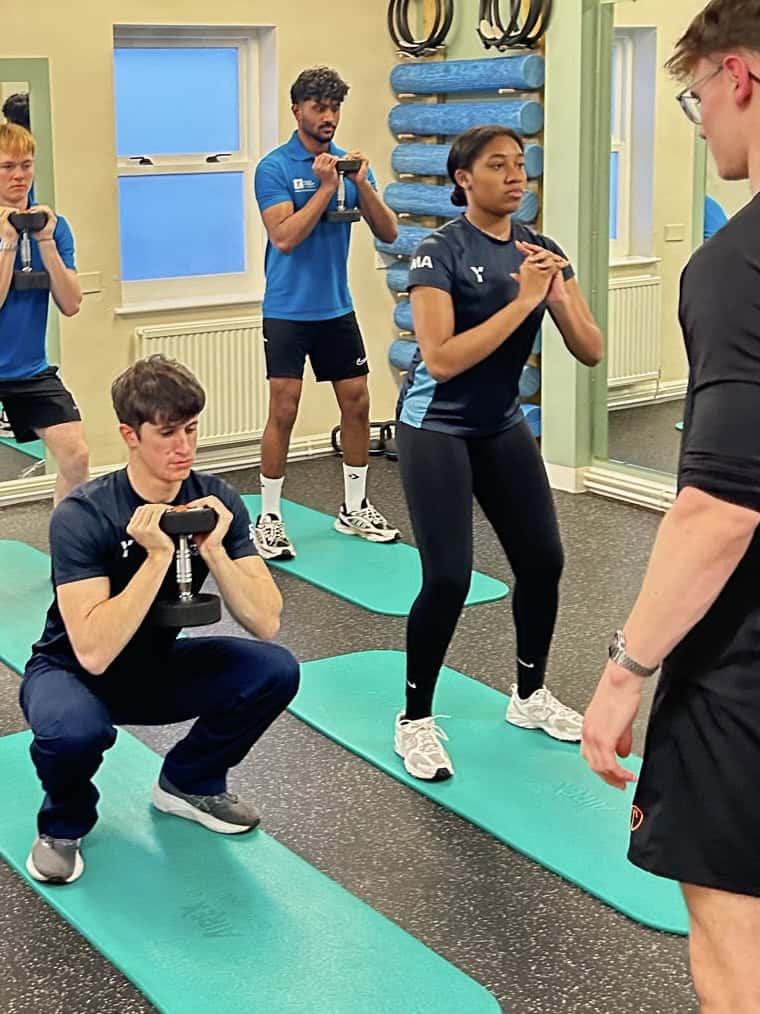
Strength and conditioning (commonly referred to as S&C) is structured exercise training designed to improve physical performance, and help you move with more confidence and tolerate greater loads to help you better achieve your goals.
S&C is not about simply building muscle or lifting the heaviest weights possible. It’s about developing the physical qualities needed for your individual goals, whether that’s running faster, reducing injury risk, improving fitness or becoming stronger.
Common myths about strength training in runners
Myth 1- “Strength training will make me bulky and slow!”
Actually, it’s quite the opposite – strength training can improve speed and performance. Building a significant amount of muscle (like a bodybuilder) requires a very specific approach including higher training volumes and specific nutritional strategies to support maximum muscle growth.
Myth 2- “I don’t have time for strength training”
You don’t need hours in the gym. Even 1-2 focused strength sessions per week can provide meaningful benefits for improving running performance.
Myth 3- “Running alone is enough to prepare my body for running”
Running is excellent for endurance, but it does not develop every physical quality needed for improved performance. Strength training improves force production, muscle capacity and your ability to tolerate the demands of running.
So, what should runners actually do?
Strength training doesn’t need to be complicated. It should consist of a well designed programme that focuses on your individual needs and demands of running such as strength, power, stability and the ability to tolerate load.
For most runners, 2 strength session per week is a good starting point allowing enough stimulus to provide meaningful benefits while still leaving enough time to prioritise running and recovery.
Key areas for strength training for runners include:
Build Lower-Limb Strength
Running requires your body to repeatedly absorb and produce force with every stride. Exercises such as squats, lunges and Romanian deadlifts can help develop the strength needed to handle these demands.
Single-Leg Strength
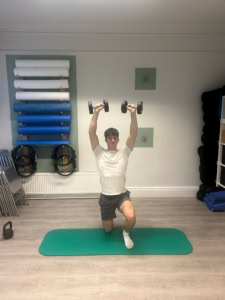
Since running involves repeated single-leg contacts, performing some exercises on one leg at a time can be beneficial. Exercises such as step downs and split squats may help develop strength, improve control and stability during each stride.
Calf and Achilles Capacity
The calf muscles and Achilles tendon experience high loads during running. Progressive exercises such as calf raises and plyometrics may help to improve the capacity of these tissues.
Develop Power
Explosive exercises such as plyometrics, including jumps and hops, can improve the ability to produce force quickly. This supports faster running and more efficient movement with every stride.
Why an individualised approach matters?
The most effective strength training is not simply about choosing the right exercises. Its about considering your running goals, current training, injury history, experience level and your personal lifestyle. An individualised approach ensures exercises are appropriate, progressed effectively and tailored to your personal goals.
Ready to build your strength for running?
At Impact Physiotherapy, we are launching our new 1:1 Strength and Conditioning service at our Long Eaton Clinic, designed to help runners and individuals build strength, move with confidence and achieve their goals.
Sessions are tailored around your goals, current ability and training demands providing individualised coaching and exercise guidance. Whether you’re looking to improve general fitness, return to the sport you love following injury or enhance your performance, we’re here to help you every step of the journey.
Get in touch to find out more.
Toby Strawson GSR Graduate Sport Rehabilitator