

At Impact Physio, we are lucky to have our own specialist hand physiotherapist, so we thought we would share what our role as physios would be along your rehab journey.
Pulley tears/strains:
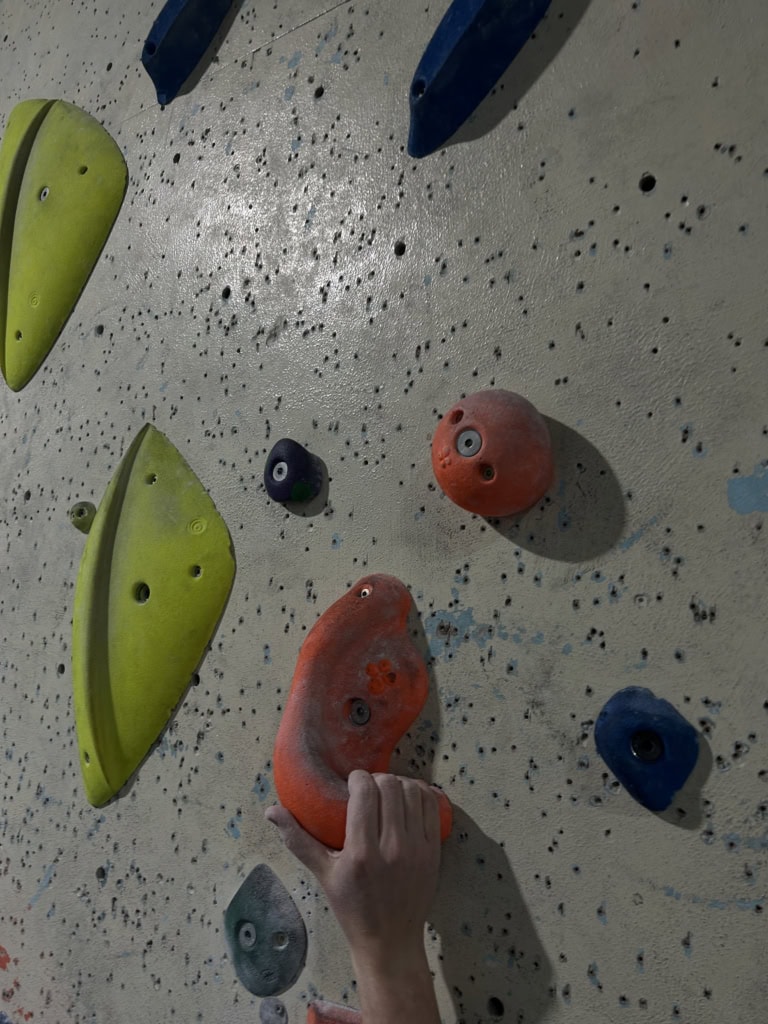
A particularly common injury on crimps, when most of your weight is being held through your fingertips. They are also common on big dyno moves when small tendons are being expected to catch a falling load with what is normally a very big stretch. Like most tendon strains/tears, pulley strains normally cause a popping or tearing sensation where the muscle that makes your finger bend connects to the bone (ouch). This is normally followed by immediate pain and noticeable weakness in grip strength in the finger.
But where does a physio come into this?
Booking a physio appointment early days after your injury may be the key to a successful recovery. A big part of a physios role here is to figure out how severe the strain is. Was it just a low level strain (Grade 1 strain), and partial tear (Grade 2 strain), or a full rupture (Grade 3 strain)? Physios have plenty of tools in their kit to help reason what grade it is, such as comparing grip strength to other fingers or laxity (looseness) in the joint. If a physio suspects a grade 3 strain, they may suggest a scan, to determine if assessment for potential surgical intervention may be necessary (not common! But definitely worth considering.
Unfortunately, even if you don’t have a full rupture, it doesn’t mean you can jump straight back onto the climbing wall, but if you follow specific advice, you’ll be back on the wall in no time. After the initial injury in the early stages, physios will offer advice to pain management and limiting swelling. Once swelling has stopped, the rehab starts. This typically involves gradual tendon loading, rebuilding strength slowly with a tailored exercise program so no further damage is done and progress keeps moving. We’ll work closely alongside you during this period, ensuring your pain is kept to a minimum and your exercises are adapted to your ever-progressing level of function. When the physio is happy with how your getting along (could be only a couple weeks for a low level strain), they’ll look to plan a gradual reintroduction to climbing with you, starting off with less frequent sessions and easier climbs- jug centred climbs where your body weight is being held by your full hand/wrist is ideal here while avoiding any hanging from your fingertips!
You’re on the home straight now! Now all you need to do is gradually increase your climbing tolerance in alignment to any lingering pain. We normally recommend that anything above a 3/10 of pain is to be avoided. While your slowly getting back to climbing, hangboards can be a great tool to reintroduce crimping at a controlled level, allowing small incremental improvements each time.
Key takeaways:
Physios will always work WITH you, we understand you want to get back on the wall so will help get you there as soon as possible, even if it does mean working back up from easier climbs to start.
Rehab does take time but with patience you’ll return from injury with the tools available to you to stay fit and healthy for years to come.
Ollie Froud second year physio student UoN