Knee pain — causes, fixes & when to see a physio
Knee pain is common — and fixable. Whether it’s a sharp twinge on hills, a dull ache after long runs, stairs that feel brutal, or a swollen knee after football, we’ll help you understand what’s going on and get you moving again.
Same-week appointments at Long Eaton, Pride Park, and Kedleston Road. Prefer to be seen at home? We also offer home visits across Nottingham & Derby. Book an appointment online or call 0115 972 1319.
The information on this page is for general education only and is not medical advice. Your symptoms may have different causes, and only a consultation with a qualified physiotherapist or doctor can provide a diagnosis and personalised plan. If you have sudden severe pain, major swelling or deformity, fever with redness/heat, locking or giving way, or can’t weight-bear, seek urgent medical attention.
Reviewed by: Rachel Royer, HCPC-registered physiotherapist and CSP member. Last updated: 10 November 2025.
Can I keep training?
Often, yes — by reducing volume/intensity and avoiding pain-provoking drills while you rebuild strength and control. We’ll guide a graded return. Exercise therapy and education are the primary treatments for many knee issues, including runner’s knee.
How long until it improves?
Many new or flare-up knee problems settle within 6 weeks with the right self-care and progressive loading. If it’s not improving, get assessed.
When should I see someone urgently?
If your knee is very painful, you can’t weight-bear or move it, it’s badly swollen/changed shape, locks or gives way, or you have fever with redness/heat around the joint — seek urgent advice.
Common symptoms & patterns
- Pain during or after running or sport (often around or behind the kneecap)
- Outside-of-knee pain, worse downhill or on cambered roads.
- Morning stiffness or “first-steps” pain, easing with gentle movement.
- Clicking without pain is usually normal; locking/giving way needs assessment.
Try this now - safe self-care
Do
- Reduce provocative loads short-term (e.g., swap hard intervals for easy running/cycling; cut hill repeats).
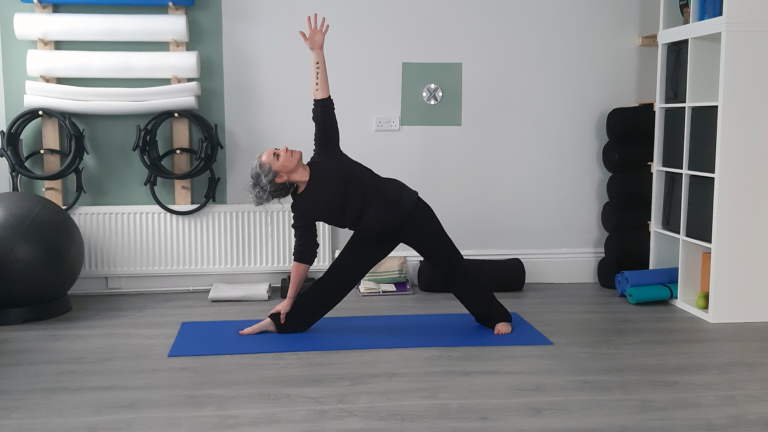
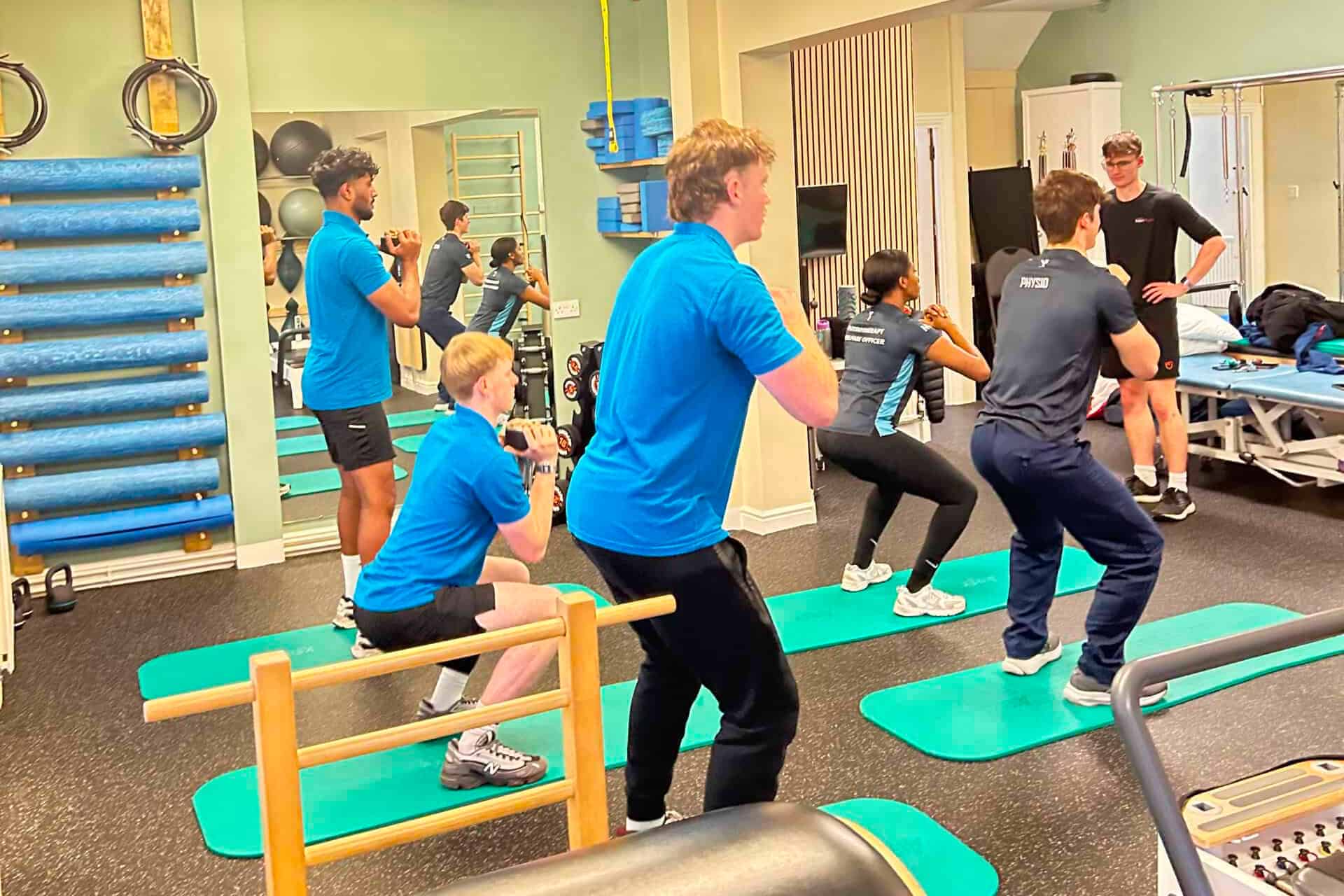
- Add 2–3 strength sessions/week focused on hips, quads and calves.
- Use short bouts of relative rest and gentle mobility; consider topical analgesics if appropriate. For osteoarthritis flares, exercise plus simple analgesics is part of best practice.
Avoid (for now)
- Pushing into sharp pain or repeating the exact triggers (e.g., deep plyometrics, downhill sprints).
- Relying on passive treatments alone without an active plan — passive methods such as massage or acupuncture can help manage pain but exercises and education drive long-term outcomes in most knee pain.
How we can help
If you’re unsure, book an assessment
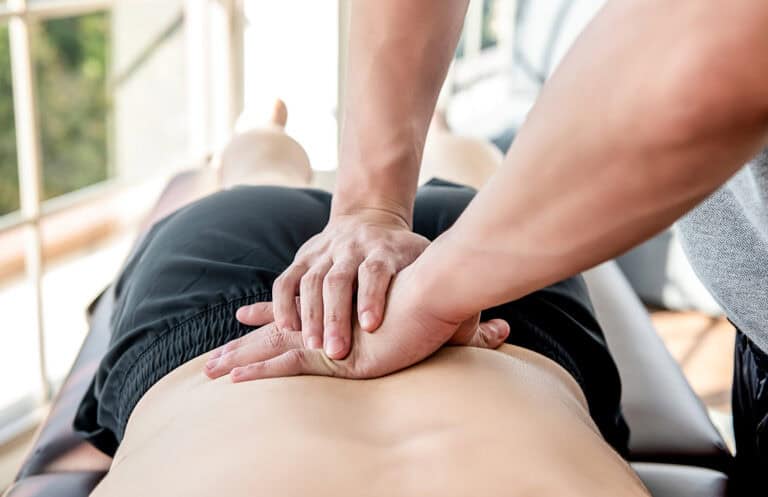
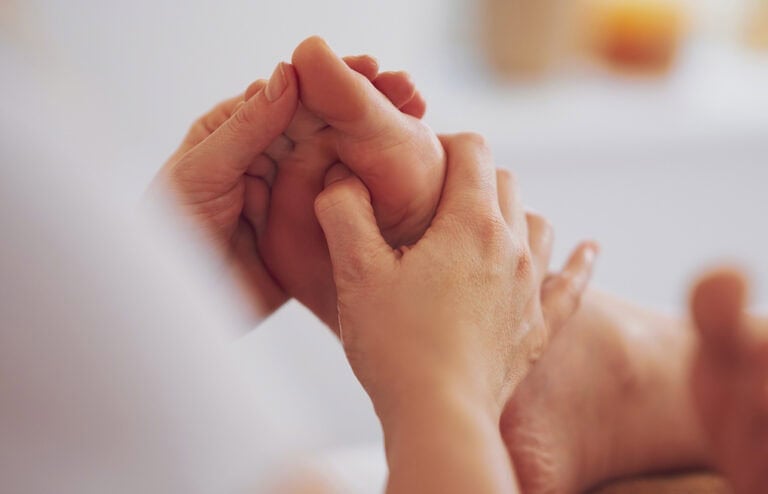
We also offer Physiotherapy, Acupuncture and Sports & Remedial Massage as part of your plan — always alongside active rehab.
1. Assess
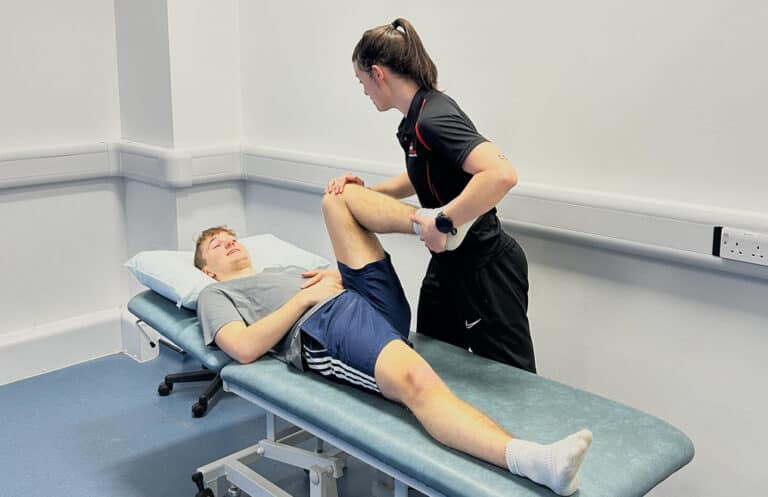
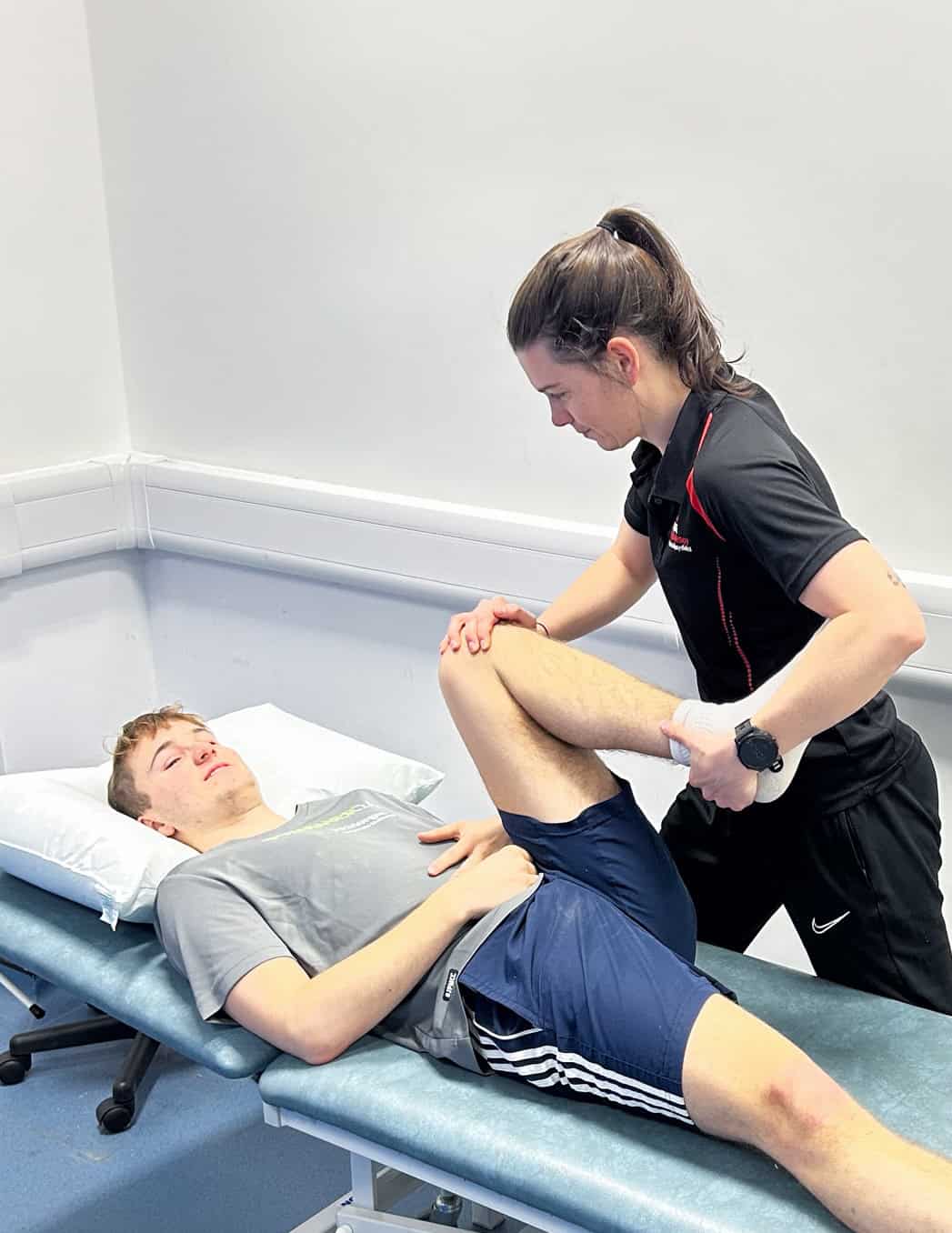
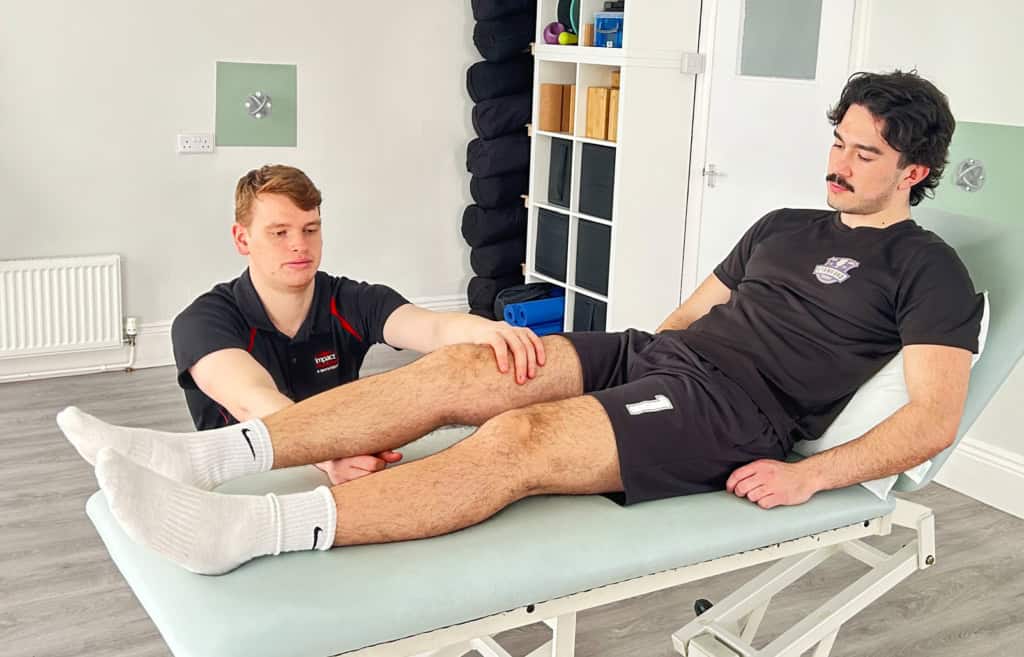
Movement screen, strength and control tests, training review, and (where relevant) special tests for structures like meniscus or patellar tendon. Imaging is not routinely required for many knee pains.
2. Plan
A progressive loading programme (strength, balance, plyometric tolerance as appropriate), plus education on pacing, footwear/surface, and recovery. For patellar tendinopathy, progressive tendon-loading outperforms generic exercise.
3. Return
Criteria-based progression back to running/sport, not just time passed. You’ll leave with a clear plan and checkpoints.
- 25
Years of Experience
- 3
Clinics in Derby & Nottingham
- 429
Google Reviews
(& counting!)
Knee conditions and symptoms
Knee pain when running
Sounds like me:
Front-of-knee ache during or after runs; worse on hills, stairs and longer descents; feels creaky at first but warms up after 5–10 minutes; flares after speed work or when I increase mileage too quickly; fine on flat cycling but aggravated by deep squats or lunges.
Likely causes:
Load exceeds capacity at the patellofemoral joint (runner’s knee). Contributing factors can include spikes in mileage/intensity, reduced quad/hip capacity, and irritability of local tissues. Exercise therapy + education is first-line.
Try now
Reduce total weekly load 20–40% and avoid hills/declines short-term; keep easy aerobic minutes via cross-training.
Begin hip + knee strengthening 2–3×/week; include runners’ knee drills.
How physio helps
Identify aggravators, optimise cadence/technique if relevant, load-manage, and progress strength/plyo tolerance to meet your goals. Typical improvement occurs over weeks, not days.
Mini-FAQ
Do I need a scan? Usually no — diagnosis is clinical.
Should I foam roll my quads/ITB? Useful for symptom relief, but it’s not a substitute for progressive loading.
Should I change my shoes or cadence? A small cadence increase (about 5–7%) and running in comfortable shoes can reduce kneecap load; we’ll personalise this.
Can taping help? It can reduce pain short-term so you can keep training while you build strength and control.
IT band pain (outside of knee)
Sounds like me
Sharp, pinpoint pain at the outer knee that builds during a run, especially downhill or on cambered roads; sometimes a snapping/“friction” feeling on the outside; walking is mostly fine but running beyond a certain distance triggers it; stairs down feel worse than up.
Likely causes
Irritation where the iliotibial band crosses the outer knee; often linked to load spikes and control/strength deficits around hip and knee.
Try now
Short-term load reduction; gentle tissue work/foam rolling for symptom relief; begin targeted hip and knee strengthening.
How physio helps
Graduated programme (mobility where needed, then progressive strengthening and return-to-run build). Expect noticeable change within ~6 weeks with consistent work.
Mini-FAQ
Is stretching enough? Helpful for comfort but strength + load management drive recovery.
Should I stop running completely? Often not — adjust distance, avoid steep downhills for now, and build strength alongside.
Will a massage gun help? It may ease symptoms temporarily; it doesn’t replace progressive strengthening.
Is downhill or track worse? Downhill and tight bends often aggravate ITB pain — we’ll tweak routes while you rehab.
Patellar tendinopathy (jumper’s knee)
Sounds like me
Tender just below the kneecap; sore when I jump, sprint, or do deep knee bends; stiff and achy first thing in the morning or after sitting; pain eases as I warm up but returns later; stairs and hills can sting, especially the day after sport.
Likely causes
Tendon overload relative to capacity.
Try now
Reduce/modify jumping and deep knee-bend loads; start a progressive tendon-loading plan (isometrics → heavy slow resistance → power).
How physio helps
Stage-appropriate loading, monitoring pain within acceptable limits, and pacing sport re-entry. Tendons improve with patience and progressive resistance — they need load to get stronger.
Mini-FAQ
Scan first? Imaging usually isn’t required; it’s guided by assessment and response to rehab.
Is rest enough? Rest alone rarely fixes tendons; they improve with progressive strength work.
Can I keep squatting? Usually yes within a comfortable range — we’ll adjust depth, tempo and load.
Do patellar straps help? They can reduce symptoms for some people; use as an adjunct while you follow your loading plan.
Meniscus irritation/tear (non-operative care)
Sounds like me
Pain with twisting or deep bending; a sense of catching when I pivot; swelling a few hours after activity; kneeling is uncomfortable; squatting to the floor is limited; true locking after a twist needs urgent assessment.
Try now
Settle irritability (reduce deep flexion/heavy twisting), keep gentle range and strength within comfort.
How physio helps
Differentiate irritable meniscus vs. other sources; restore strength and control so you can bend, squat and turn confidently. Many meniscal symptoms can improve without surgery with good rehab; significant mechanical locking/catching or traumatic tears may need orthopaedic input.
Mini-FAQ
MRI? Considered if symptoms persist or surgical options are being weighed — not routinely first-line.
How long to settle without surgery? Many improve over 6–12 weeks with good rehab, depending on irritability and goals.
Can I do strength training? Yes — we’ll select knee-friendly ranges and progress gradually.
Will a brace help? It can give confidence short-term; the priority is restoring strength and control.
Knee osteoarthritis
Sounds like me
Morning stiffness that eases after I get moving; a deep ache with longer walks, gardening or standing; occasional swelling after busier days; I worry exercise will make it worse but I feel better when I keep gently active.
What helps
Therapeutic exercise and education are core; consider topical NSAIDs. Manual therapy can be considered alongside exercise; some interventions aren’t recommended. Weight management and activity pacing are part of care.
How physio helps
A progressive strengthening and function plan to improve confidence with walking, stairs and hobbies; flare-up strategies; clear progression markers.
Mini-FAQ
Is running off-limits? Not necessarily; we’ll guide load and surfaces to your symptoms and goals.
Is exercise safe for OA? Yes — strengthening and activity are core parts of care and can reduce pain and improve function.
Should I use a stick or pole? If pain limits walking, a stick in the opposite hand can help while you build strength.
Do supplements help? Evidence is mixed; we’ll focus on proven strategies (exercise, pacing, weight management) and discuss options.
Knee pain on stairs
Sounds like me
A pulling or burning pain around or behind the kneecap, mainly when going down stairs or steep hills; stepping down from a curb can catch; squats beyond a certain depth are uncomfortable; kneecap feels sensitive after sitting.
Likely causes
Patellofemoral irritation or quad capacity issues.
What helps
Strengthening quads and hips, step-down control work, and temporary modification of aggravating tasks. Education + exercise are first-line.
Mini-FAQ
Should I avoid stairs? No, but use pain as your guide and hold the rail while we improve control and capacity.
Are step-down exercises safe? Yes — controlled step-downs are part of rehab; we’ll set height and tempo to suit you.
Will a kneecap brace help? It may ease symptoms on busy days; keep building quad and hip strength for long-term change.
Swollen knee after running
Sounds like me
My knee looks puffy after longer or harder sessions; it feels tight when I bend fully; the swelling settles with rest but returns when I push the pace or hills; I’m unsure if I should ice or just reduce load.
What it can mean
Post-load irritability of joint or surrounding tissues. A badly swollen knee after injury, or swelling with fever/redness/heat, needs urgent advice.
What helps
Short-term load reduction, compression, and a review of training spikes; then progressive strengthening to improve tissue tolerance. If swelling persists or function is limited, book an assessment.
Mini-FAQ
Ice or compression? Both can help symptom relief; compression sleeves are useful after runs while you dial in training load.
When is swelling worrying? After a twist with marked swelling, or swelling with heat/redness/fever — seek urgent advice.
Can I train with mild swelling? Light, pain-free activity is often okay; reduce intensity and volume until swelling settles.
FAQs (knee hub)
Our team includes HCPC-registered physiotherapists and CSP members with experience in running-related injuries, tendon rehab and osteoarthritis management. You’ll get a clear diagnosis, a plan that fits your life, and support back to the things you love.
Do I need an X-ray or MRI for knee pain?
Not usually. Many knee problems are diagnosed clinically and respond well to rehab without imaging. Scans are considered if symptoms persist, red flags are present, or surgery is being considered.
Should I stop running completely?
Often no — we’ll adjust volume, intensity and terrain while you build capacity. Many runners improve with graded loading and strength work.
Are braces or taping useful?
They can help symptoms short-term, but they’re adjuncts. The foundation is progressive exercise and education.
How long will it take?
New or flare-up problems commonly settle over ~6 weeks; tendons often need a longer, steady build. If your knee isn’t improving, get assessed.
Do I need orthotics or new shoes?
Sometimes footwear changes or temporary inserts can help comfort, but they’re rarely a standalone fix. We’ll assess your needs and focus on strengthening and load management first.
Should I use ice or heat?
Ice can help calm a flare or swelling; heat can ease stiffness. Use whichever improves your symptoms, alongside your exercise plan.
Can I keep cycling or swimming while my knee settles?
Usually yes — they’re great low-impact options. We’ll guide intensity and duration so they support recovery rather than irritate symptoms.
Are injections right for me?
They can be considered for specific cases and short-term relief, but they work best alongside a structured rehab plan. We’ll discuss pros and cons if relevant.
Do I need to see a surgeon?
Most knee pain improves without surgery. Referral is considered if there’s persistent mechanical locking/giving way, failure of conservative care, or traumatic injury with instability.xxxx
My knee clicks or grinds — is that bad?
Often normal, especially without pain or swelling. We’ll check for concerning features; otherwise, strength and control work usually improves confidence.
Our clinics
We also offer Home Visits
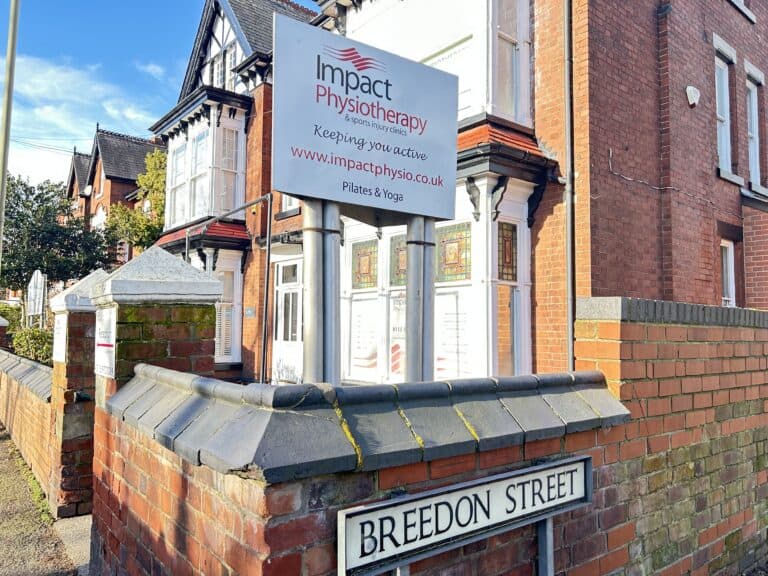
Long Eaton
drive fromOur Long Eaton clinic is our main hub, we offer individual physio appointments and classes in our Pilates studio.
Opening timesMon-Fri: 8am – 8.30pm
Sat: 9am – 12pm
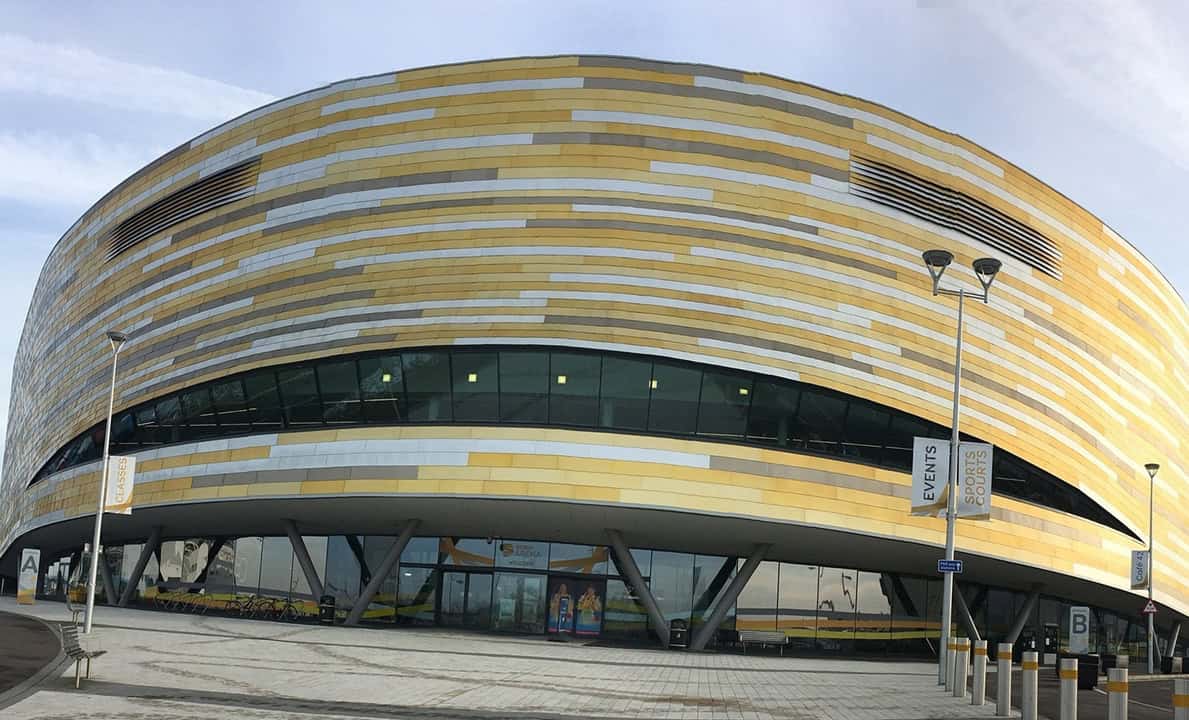
Pride Park, Derby
drive fromOur Pride Park clinic is inside the iconic Derby Arena. Especially convenient for businesses on Pride Park.
Opening timesMon: 8am – 8pm
Tue: 7:30am – 8pm
Wed: 8am – 8pm
Thu: 8am – 8pm
Fri: 8am – 8pm
Kedleston Road, Derby
drive fromIdeally situated in the Human Performance Unit (HPU), you can benefit from the gym and indoor running track
Opening timesMon: 8:30am – 4.30pm
Tue: 8:30am – 4.30pm
Wed: 8am – 4.30pm
Thu: 8:30am – 7pm
Fri: 7am – 4.30pm

Our Services
What we offer