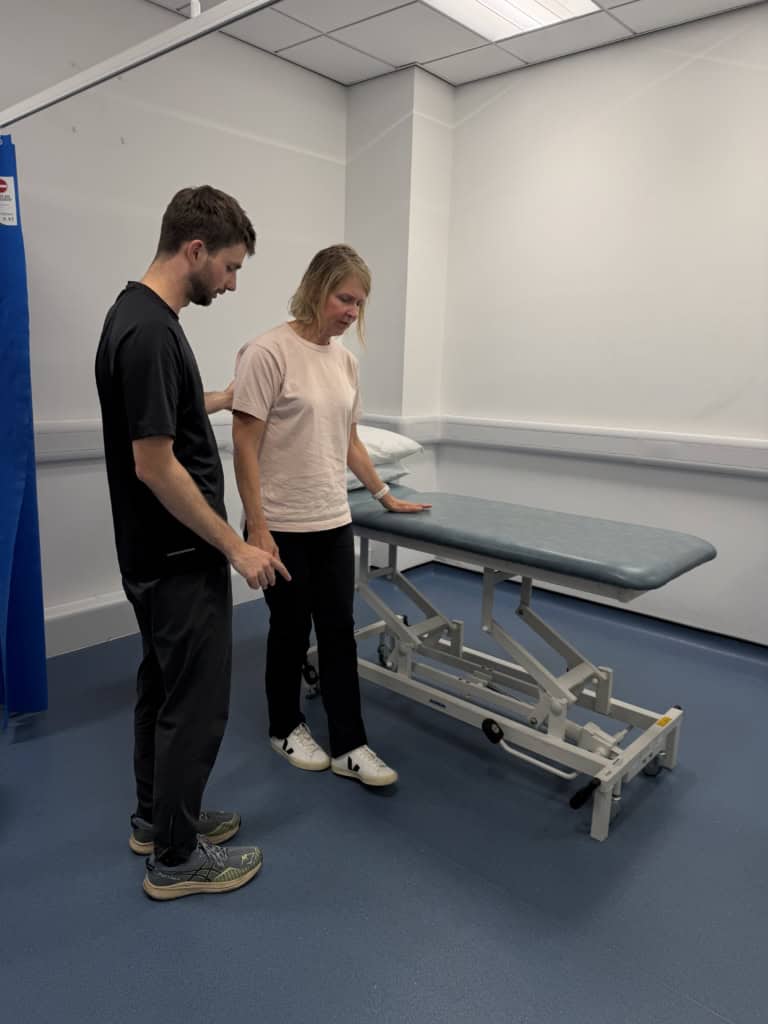
Vestibular Rehabilitation Therapy (VRT)

Vestibular Rehabilitation Therapy, often called VRT, is a specialist form of exercise-based physiotherapy designed to help reduce symptoms such as dizziness, vertigo, imbalance and visual disturbances.

At Impact Physio, this service is provided by George Crouchley at our Kedleston Road clinic in Derby.

Specialist support at Kedleston Road

Physio-led treatment for dizziness, vertigo and balance symptoms

Vestibular symptoms can be unsettling. They can affect your balance, confidence, vision, walking, work, exercise and normal day-to-day movement.

VRT is designed to assess how your balance and vestibular system are working, then guide you through a treatment plan that is specific to your symptoms. This may include eye movement exercises, gaze stabilisation, balance work, habituation exercises and, where appropriate, canalith repositioning manoeuvres for conditions such as BPPV.

Your appointment will include a detailed assessment, clear advice and a personalised exercise programme to help you understand your symptoms and work towards more confident movement.

VRT

What to expect

What your appointment may include

A VRT appointment is designed to build a clear picture of your symptoms and how they affect you. George will assess your balance, movement and symptom triggers before recommending a treatment plan.

  • Assessment

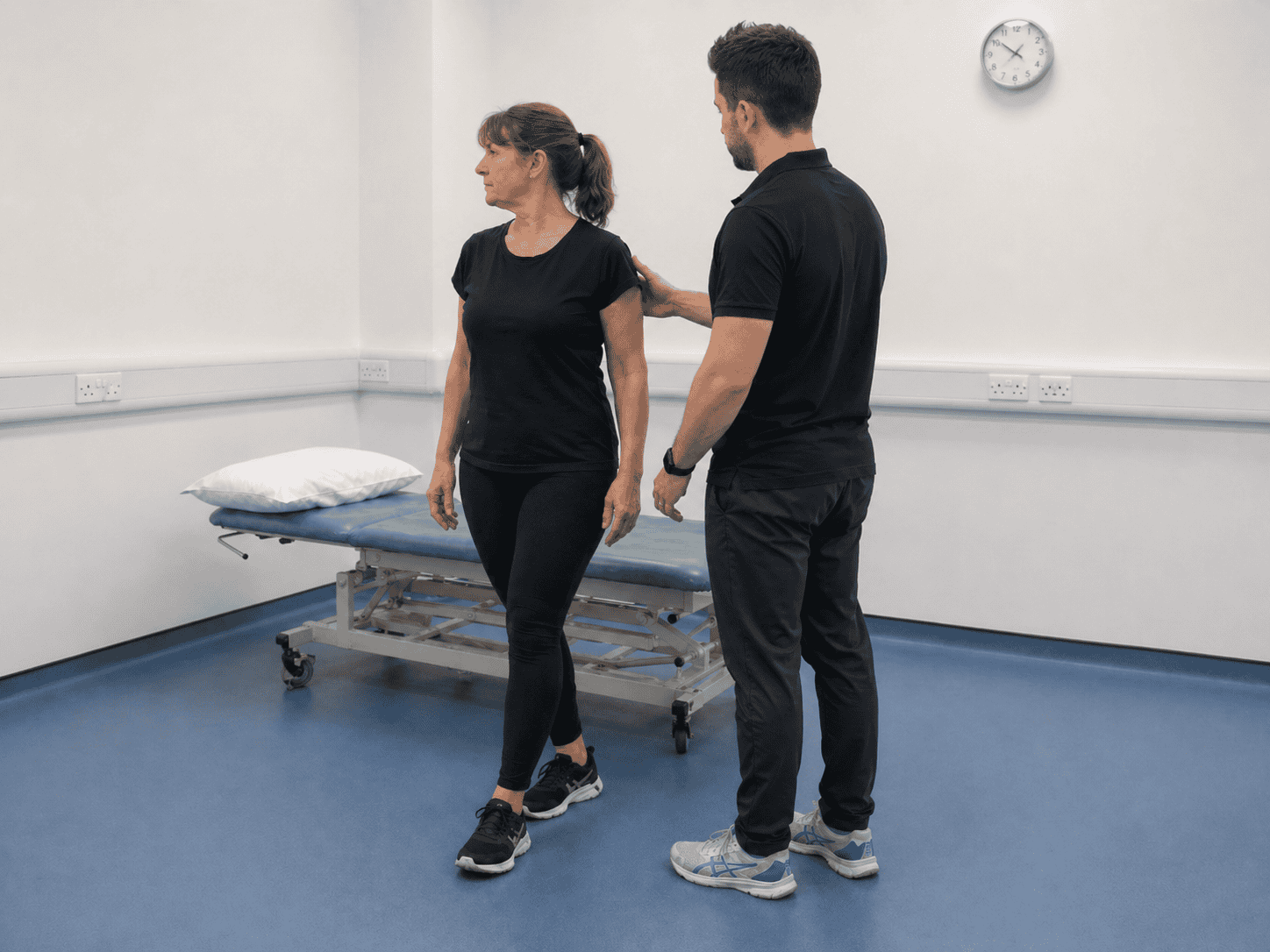
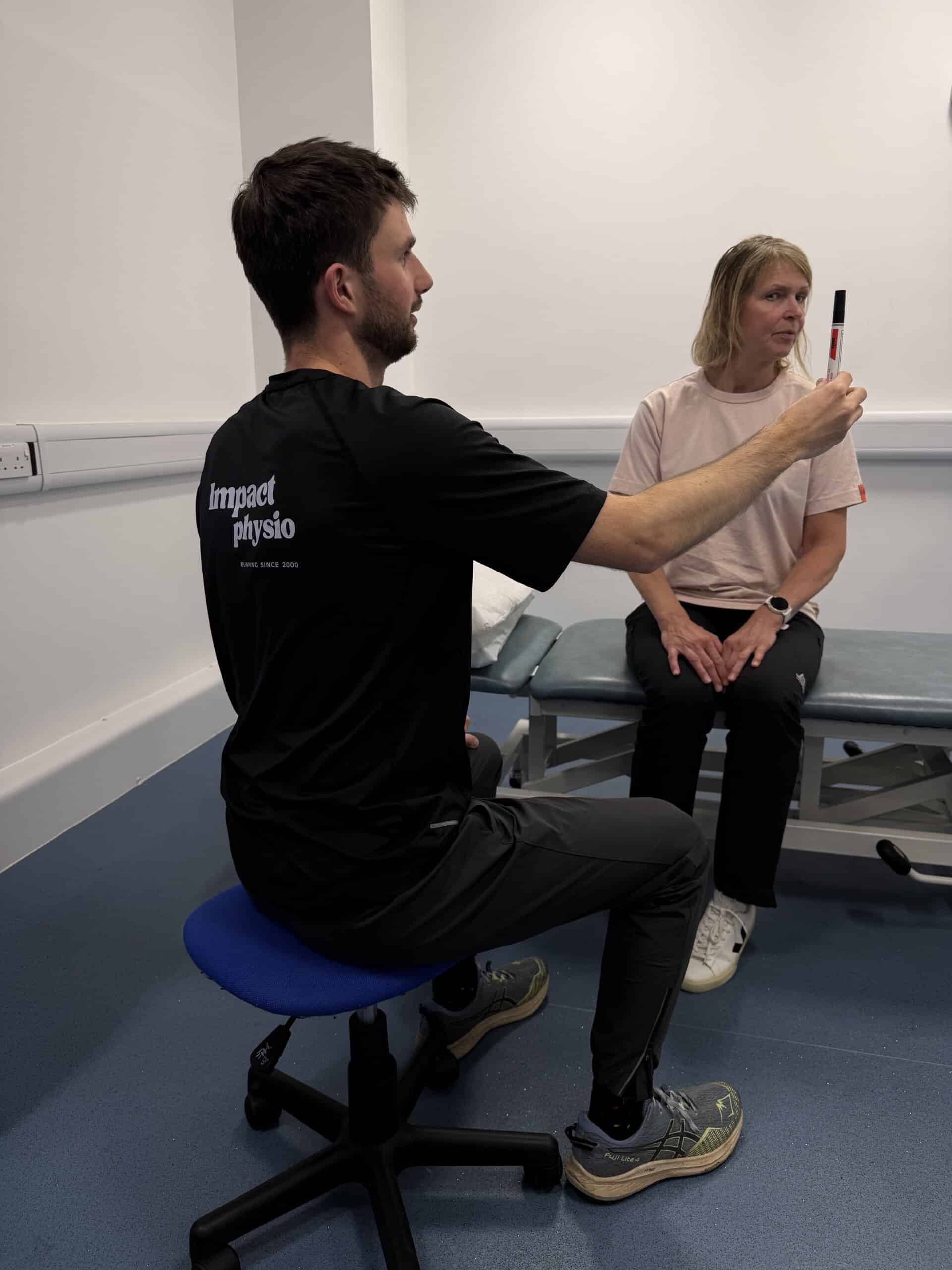
    A detailed evaluation of balance, gait, eye movements and positional sensitivity to help identify what may be contributing to dizziness, vertigo, imbalance or visual disturbance symptoms.

  • Personalised exercise programme

    Your programme may include gaze stabilisation exercises, balance training and habituation exercises. These help the brain adapt to altered or faulty signals from the inner ear and balance system.

  • Canalith repositioning manoeuvres

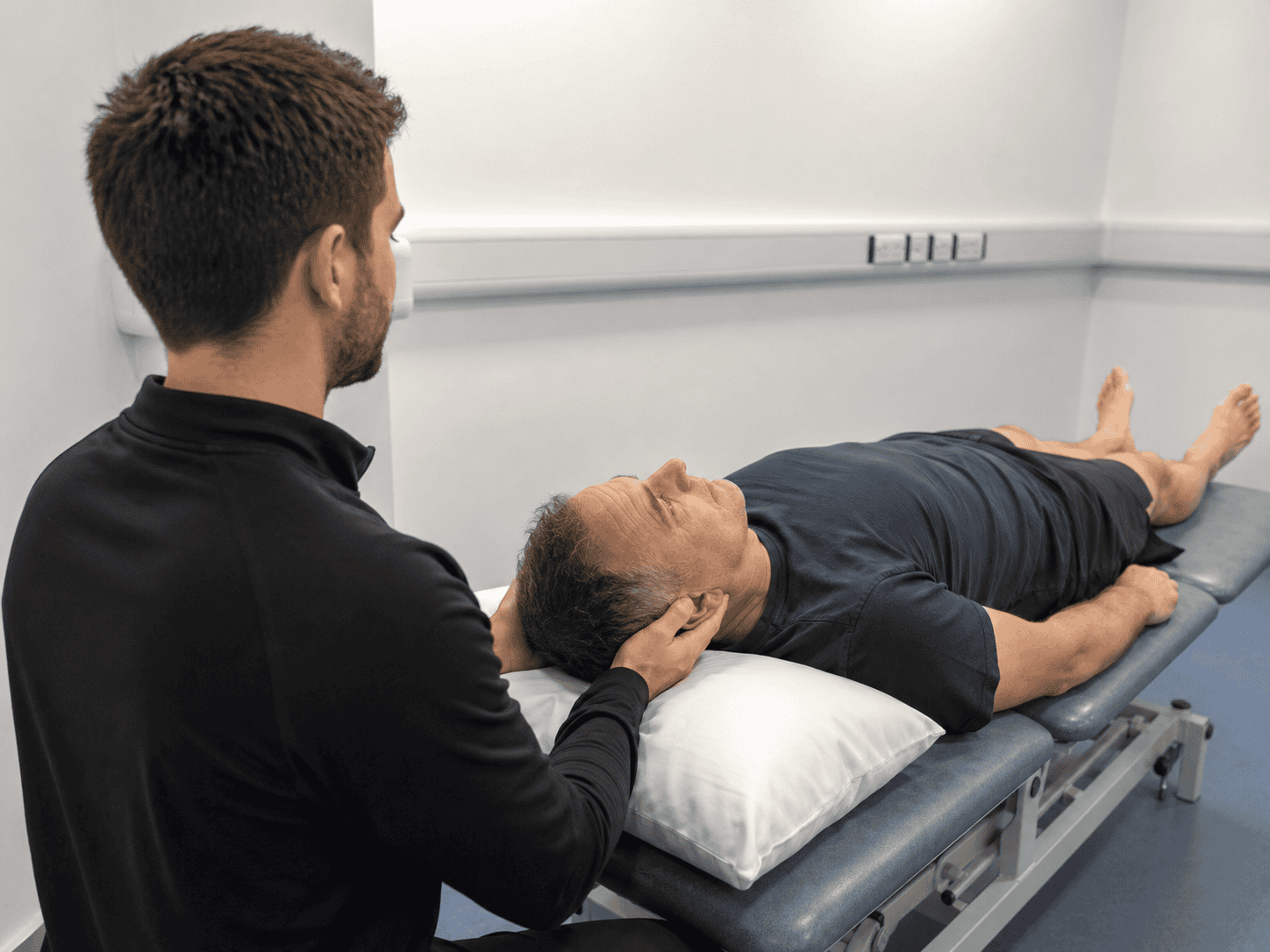
    For conditions such as BPPV, specific head and body movements may be used to help reposition displaced crystals in the inner ear. This may include techniques such as the Epley manoeuvre where appropriate.

  • Education and self-management

    You will receive advice on managing symptoms, reducing the risk of falls, understanding triggers and preventing flare-ups where possible.

Move with more confidence

Support for everyday movement

Dizziness and balance problems can make simple activities feel difficult. Turning your head, getting out of bed, walking through busy places, exercising or looking between objects can all become uncomfortable or worrying.

 The aim of VRT is to reduce symptoms where possible, improve balance, and help you feel more confident with everyday movement. Treatment is tailored to how your symptoms affect you, rather than following a generic exercise plan. The focus is also on helping you understand what is happening, what you can do about it, and how to manage your recovery in daily life.

Is Vestibular Rehabilitation Therapy suitable for you?

VRT is typically used for people with a diagnosis or symptoms linked to vestibular and balance disorders. This may include:

Vestibular hypofunction
Labyrinthitis
Labyrinthitis
Vestibular neuronitis
Positional dizziness
Ménière’s disease
Vestibular migraine
PPPD, also known as Persistent Postural-Perceptual Dizziness
Ongoing dizziness or imbalance after a vestibular episode
Reduced confidence with walking, balance or movement because of dizziness symptoms

Physio Fees

Physio Assessment (approx. 45 mins)
For your first Appointment
£70
Physio Follow up (approx. 30 mins)
Follow up a recent assessment / treatment

£57

Extended Physio Assessment  | 60 Minutes 
For multiple areas / complex conditions

£105

Extended Physio Follow Up  | 45 Minutes £70

Meet your clinician: George Crouchley

Vestibular Rehabilitation Therapy with George Crouchley

George

Vestibular Rehabilitation Therapy FAQs

  • What is Vestibular Rehabilitation Therapy?

    Vestibular Rehabilitation Therapy, or VRT, is a specialist exercise-based form of physiotherapy. It is designed to help reduce dizziness, vertigo, imbalance and visual disturbance symptoms by retraining the brain and balance system.

  • What symptoms can VRT help with?

    VRT may help with dizziness, vertigo, unsteadiness, imbalance, motion sensitivity, visual disturbance during movement and reduced confidence with walking or daily activities.

  • Can VRT help with BPPV?

    Yes, VRT can help with BPPV. Where appropriate, your physiotherapist may use canalith repositioning manoeuvres, such as the Epley manoeuvre, to help reposition displaced crystals in the inner ear.

  • What happens at the first appointment?

    Your first appointment will include a detailed assessment of your symptoms, balance, gait, eye movements and positional sensitivity. George will then explain the findings and recommend a treatment plan, which may include exercises, advice and specific treatment techniques.

  • Will I be given exercises to do at home?

    Yes. VRT usually includes a personalised home exercise programme. This may include gaze stabilisation exercises, balance training or habituation exercises, depending on your symptoms and assessment findings.

  • Is VRT suitable for vestibular migraine?

    VRT can be helpful for some people with vestibular migraine, particularly where dizziness, motion sensitivity or imbalance are ongoing issues. Your physiotherapist will assess your symptoms and advise whether VRT is appropriate for you.

  • Where is Vestibular Rehabilitation Therapy available?

    At Impact Physio, Vestibular Rehabilitation Therapy is currently available with George Crouchley at the Kedleston Road clinic in Derby.s

  • How do I book?

    You can book an appointment online or contact Impact Physio for advice on whether Vestibular Rehabilitation Therapy is suitable for your symptoms.